Table Of Content
Generators generally are powered by one of three fuel sources—gasoline, natural gas, or propane. The Champion tri-fuel generator is equipped with advanced safety features, including a carbon monoxide sensor and low-oil shutoff. Its digital LCD display is also highly informative, showing the voltage, frequency, session run time, and total run time, which are useful in monitoring output and maintenance schedules. Provides essential circuit power protection for your home, ensuring the necessities remain powered during an outage or up to whole house coverage when paired with one of Generac’s load- shedding switches. Generac home backup generators are the most cost-effective on the market.
By Size
While solar whole house generators derive their power from the sun, they are dependent on a majority of sunny daylight hours. Generators in overcast areas may not be able to keep up, no matter how extensive the array of solar panels. Standby generators are more expensive on average than other whole-house generators. You should also factor in the cost of whole-house generator installation, which should be done by a professional. We’ve researched the top home generators of 2024 and ranked them based on an average cost, warranty, noise level and other factors to help you determine the best option for your home. You'll never have to run an extension cord through a window or door again.
Briggs & Stratton PowerProtect Standby Generator
You can also opt for a smart load manager, which can protect your generator from overloading and costs between $150 and $300. The cost to install a generator typically ranges from $1,500 to $5,000, depending on the size of the generator. If your installer has trouble accessing the area where you want to install it, it can further increase your installation costs. For instance, most whole-house generators need to sit on a concrete pad, which you’ll need to pay to install if you don’t already have one. Champion and Honda tend to offer some of the most affordable generators, while Generac generators are on the more expensive side. For middle-of-the-road options, consider looking at generators from Briggs & Stratton or Cummins.
By Fuel Type
It has a durable aluminum housing that will keep it protected from inclement weather. The generator also features three removable sides, which allow for easy access should it require maintenance. Large whole-house generators have an output of 10,000 watts or more, which means enough power for all your appliances. On average, they run from 140 to 200 hours on a propane tank, a shorter duration than their smaller counterparts.
Electric Start
When the storm bringing a flood to the basement has also knocked out the power, a sump pump can’t help, and there is likely to be water damage in the basement and potentially structural damage to the home. A whole house generator lasts 15 to 30 years and provides 10,000 to 30,000 hours of use with proper maintenance. Reputable brands offer 5- to 10-year limited warranties on whole house generators.
Load Management
This enables the generator to start supplying power to your home when it detects an absence of juice from the electric utility. Usually, this feature is found only on standby generators and not portables. In particular situations where waiting for the power to come back on could pose a special danger, this generator makes sure all your needs are met.
Purchase a whole house generator that's sized right for your home's power draw. Build in allowances for planned changes like additions or basement remodels that increase the demand for electricity. The right model will last for years but can also be expensive and, if not installed properly, can be very risky. This guide will walk you through the factors you need to consider before you buy a generator, including types, cost and maintenance.

Gasoline
With a few clicks of the mouse, our easy-to-use generator sizing calculator will recommend a range of generators that fit your needs. Brad Ford has spent most of his life using tools to fix, build, or make things. Growing up he worked on a farm, where he learned to weld, repair, and paint equipment. From the farm he went to work at a classic car dealer, repairing and servicing Rolls Royces, Bentleys, and Jaguars. Today, when he's not testing tools or writing for Popular Mechanics, he's busy keeping up with the projects at his old farmhouse in eastern Pennsylvania. With a yes or no based on whether a generator included overload protection, each product gained or lost points totaling 5% of the total ranking.
A candid view on installing a whole-home generator in 2022 - Space City Weather
A candid view on installing a whole-home generator in 2022.
Posted: Tue, 27 Sep 2022 07:00:00 GMT [source]
Additional Costs and Considerations When Installing a New Generator
They typically run on propane or natural gas and produce at least 3,000 to 30,000 watts of power. Champion’s line of Power Equipment portable generators comes in various sizes. While some are powerful enough to power your whole home, they aren’t as efficient as Champion’s standby generators. A Champion Power Equipment generator is best for small RVs or charging devices while you’re camping.
The switch then disconnects your home from the power grid and supplies power from your generator to designated circuits in your home. This process happens seamlessly if your generator has an automatic start (see above), which engages the machine after it detects an absence of power from the electric company grid. We strongly recommend that a transfer switch be installed by a professional electrician. Home generators require space for installation, so factor in the size of any model you're considering. The size of a generator ranges from compact units, with footprints less than 3 feet long, to large, liquid-cooled units that measure 5 feet or more in length.
They switch off the grid power and connect directly to several electrical circuit within the home to power the essential systems, appliances and several lights and outlets. Home generators can be run by a variety of different fuel types, but all the ones on our list use either liquid propane (LP), natural gas (NG) or both. Those that can use both fuel types are easily converted, without tools, to be ready to burn whichever fuel is needed. Many generator manufacturers have online wattage calculators to help you determine what size generator is the best fit for your home. You can also calculate this number yourself by finding the wattage rating label on each of your essential appliances. Many appliances will be labeled with “starting watts” and “running watts.” The former is the power draw when the appliance first turns on, while the latter is the draw once it’s running.

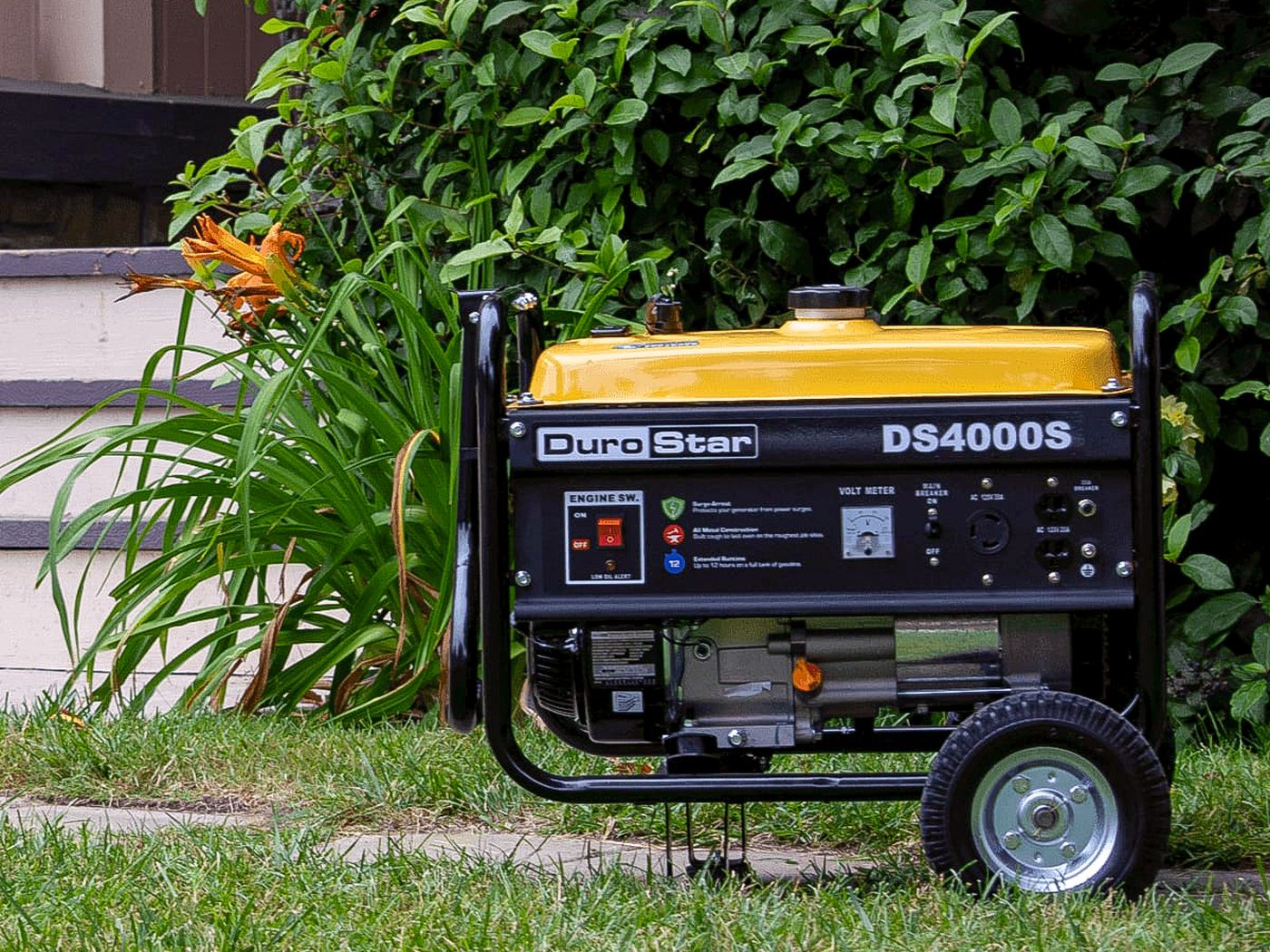
Gasoline portable generators can power a few of the most critical devices such as a refrigerator, freezer, and medical devices. It allows you to track the generator’s fuel level and power output, so you always know how much power you have available. If you need to maintain power in your home for medical devices, a mobile monitoring generator will help prepare you. This generator from Generac’s Protector line is designed to power large homes and commercial buildings. While it is powerful and built to withstand stormy or freezing conditions, it might be too big for an average-sized home.
Its durable aluminum shell will keep it protected from inclement weather. That enclosure is an important feature as it protects the inverter electronics and helps contain noise—the EU2200i is remarkably quiet. In testing, we measured sound levels of 68.9 decibels at the generator under no load. When we switched it to “eco” mode, which reduces engine speed when power isn’t called for, sound was reduced to 76 decibels. If you’re frequently working on large DIY projects, a large but technically portable power source may also come in handy when you need to charge up heavy-duty power tools and other gear.
This Briggs & Stratton generator is a good option for someone who lives in an area with frequent power outages. When you lose power, a whole-house generator keeps your home’s systems up and running. Some are permanently installed to power your home in an emergency, while others are portable for off-grid camping and mobile job sites. A generator in the 27-36kW range is perfect for most homes since it replaces 75% of the 200 amps coming into your electrical panel. Since these generators are equipped with advanced load-managing hardware, like A/C shedding, you will hardly notice that the air conditioners kick on at different times, so they don't overload the system. Unlike a portable or even a basic home standby generator, a whole-house generator can back up not only your essentials but even some nonessentials, making it feel like an outage never happened.


No comments:
Post a Comment